Air Conditioner Leaking Water
Protect the building, distinguish condensate from ice melt and check filter and visible drainage without touching refrigerant or live equipment.
Keep guards, panels and safety devices in place. Stop whenever the next action needs tools, live testing, disconnection or access beyond the owner's manual.
Checks you can safely make
- Turn cooling off
Set the thermostat to Off to stop additional condensate and protect ceilings, walls and flooring. Do not continue running the system to see whether the puddle grows.
- Document the water path
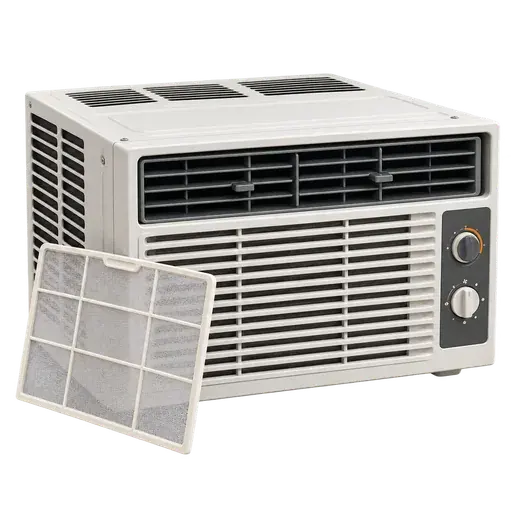
From a dry position, note whether water is at the indoor cabinet, a ceiling register, a drain termination or a window unit. Photograph staining and the first wet point.
- Check the user filter
Replace a visibly clogged, user-serviceable return filter with the correct size and airflow direction. Restricted airflow can contribute to coil icing and later meltwater.
- Look for visible ice and drainage
Without opening a cabinet, look for ice on accessible insulated piping and check whether the exterior condensate outlet is obviously blocked or not draining.
Common questions
Can I run the AC while it leaks water?
No. Continued operation can worsen water damage and may add more ice or condensate. Turn cooling off and arrange diagnosis.
Is AC water the same as refrigerant?
Usually visible clear water is condensate, but hissing, oily residue, poor cooling or ice can indicate a separate refrigerant problem requiring a certified technician.
Sources and review basis
This guide limits itself to visible, non-invasive checks and uses current manufacturer or public-safety guidance.